
The cost of connection
A free app isn’t a public square.
Allie Volpe’s reporting on the loneliness economy asks KIN to look beyond the subscription price, and at the life someone has to fit friendship into.
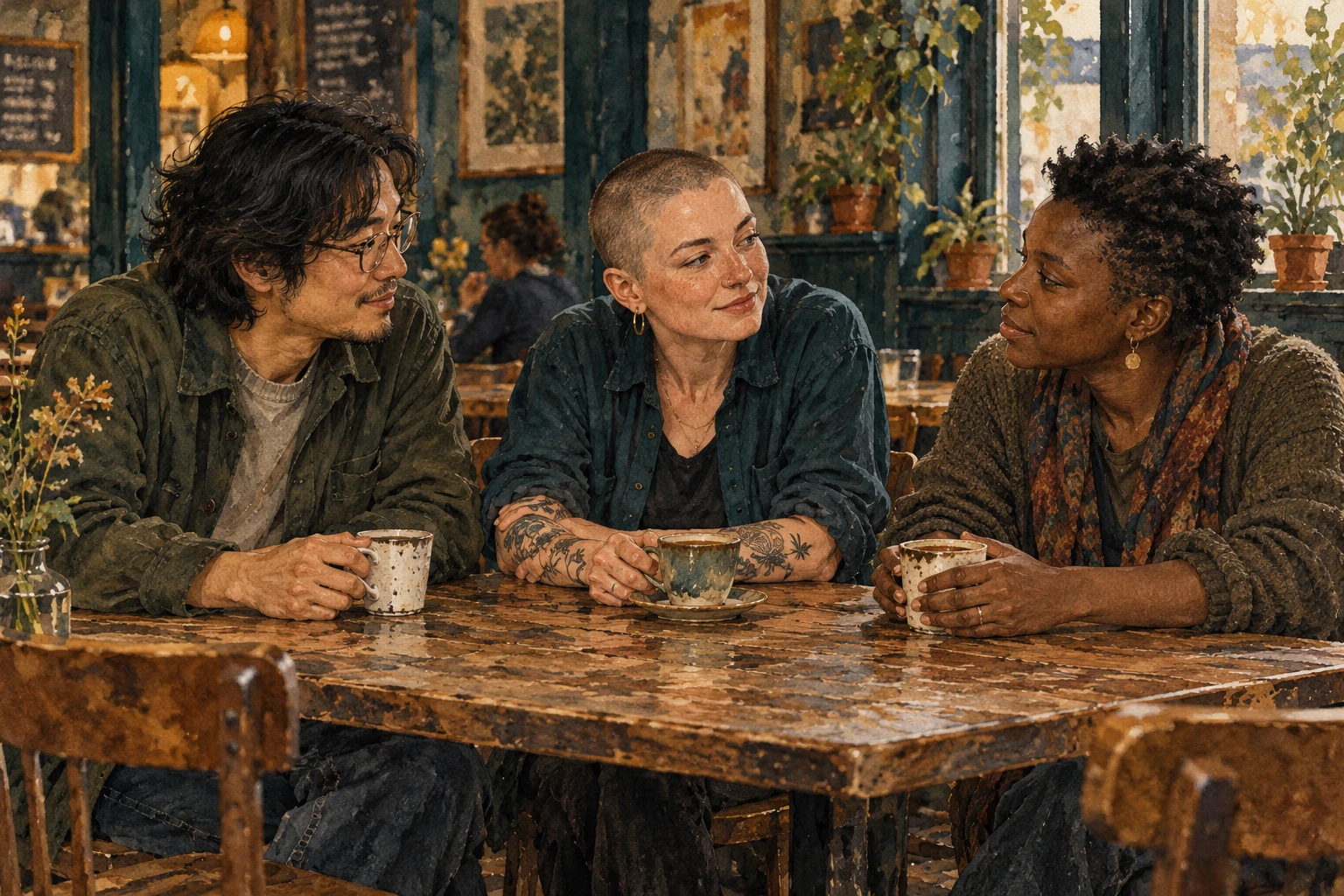
The app is free. The babysitter remains unconvinced.
So does the bus fare. And the shift that ends after everyone else has gone home. And the very ordinary fact that wanting more people in your life does not automatically create somewhere to put them.
Allie Volpe’s Vox reporting examines the businesses selling relief from loneliness, and the barriers a purchase cannot remove. Her question for the category reaches beyond whether people can afford a service to whether it helps them build relationships.
I am building KIN. That question has my address.
Free is a price. Access is a bigger question.
In Field Note 03, we asked whether KIN could become a sustainable company without needing people to remain lonely. This is the next uncomfortable question: even if we get the incentives right, who actually gets to use what we build?
Imagine two people who would get along beautifully. One has Tuesday mornings free. The other has Tuesday mornings employed. One can casually suggest dinner out. The other is mentally checking whether coffee counts as dinner.
Neither person has failed at friendship. Their lives need a plan they can both say yes to.
A product can call them compatible and congratulate itself. The humans still have to get across town.
A free account is a start. It is not the same as room in your life.
The ordinary plan deserves better billing.
I want KIN to make space for the kind of friendship that fits into an actual week. A walk. An hour at the kitchen table. Company while you tackle the thing you have been avoiding. Something you can afford to do again.
There is nothing wrong with an elaborate dinner or a weekend away. But friendship should not require a production budget every time it wants to leave the house.
The design question is whether people can be honest about what works without presenting their constraints as an apology. “I have an hour.” “That is outside my budget.” “I would love to see you. Can we do something quieter?”
Those answers should help a plan happen. They should not make someone feel less worth knowing.
What this asks of KIN.
We are still prelaunch. These are standards to test, not results we have earned.
- Make room for real availability and capacity, alongside shared interests. Loving the same things is useful. Being able to see each other also helps.
- Make low-cost, ordinary plans feel like valid beginnings. Nobody should have to audition as the most entertaining person in Seattle.
- Look at where a promising introduction stalls. Did the people lose interest, or did the plan ask for time, travel, money, or energy they did not have?
- Ask who is missing from our testing. A product can look wonderfully accessible if we only test it with people whose lives already make participation easy.
These questions will not all have software answers. We cannot put a public square on a product roadmap and call the civic work handled. Welcoming places to gather, time away from work, and practical support belong in the conversation too.
What we still do not know.
Which barriers can KIN meaningfully reduce? Where might we accidentally add another one? How will we learn from people who wanted connection but could not make our version of it fit?
We need to hear from them as much as from the people who make the second plan. Otherwise we risk confusing an easy experience for some with a useful product for everyone.
I want to build something that helps people find a place in one another’s lives. That means paying attention to the lives they already have.
Friendship needs room in a life, not just a place on a screen.